
Specialized Care
Anxiety Treatment
Evidence-based treatment for panic attacks, chronic worry, and social anxiety using proven CBT protocols.
Learn MoreWe provide structured, goal-oriented psychotherapy and mindfulness coaching designed to help you navigate life's most challenging transitions with clinical rigor and genuine compassion.
Evidence-based treatment for panic attacks, chronic worry, and social anxiety using proven CBT protocols.
Learn More
Building connection, resolving conflict, and restoring intimacy for partners navigating life's complexities.
Learn More
One-on-one psychotherapy for adults dealing with life transitions, identity, and mental health challenges.
Learn More
Managing the psychological dimensions of chronic illness and health-related behavior change.
Learn More
The gold-standard structured approach for identifying and changing negative thought patterns.
Learn More
Practical training in detached mindfulness to reduce overthinking and find present-moment calm.
Learn MoreGoal: to provide free, high-quality psychotherapy services to patients experiencing vision loss.

Losing vision — fully or partially — is one of the most psychologically significant life transitions a person can face. It reshapes identity, independence, and daily experience in ways that extend far beyond what medical treatment alone can address.
At Steady Mind, we believe this transition deserves dedicated psychological support — regardless of a patient's financial situation. Through our pro-bono program, Farid Alsabeh, LLP, offers free, structured psychotherapy sessions to individuals experiencing vision loss, blindness, or significant visual impairment — at no cost to the patient.
This is a volunteer program. Farid Alsabeh, LLP, offers free pro-bono psychotherapy to patients navigating vision loss, blindness, or the adjustment challenges that accompany significant changes in visual ability — including progressive conditions, sudden-onset vision loss, and post-surgical adaptation.
Sessions follow Farid's structured, CBT-informed approach — the same clinical methodology applied to all Steady Mind services. The focus is on grief and adjustment, anxiety related to progression, identity and independence, and building resilience. Sessions are delivered virtually throughout Michigan.
There is no cost to patients. This is a volunteer program offered in the spirit of giving back to a community that is frequently underserved by mental health services.
This program is open to adults dealing with blindness, low vision, progressive visual conditions, or the psychological aftermath of vision-related medical events. No diagnosis is required.
Grief over lost ability. Anxiety about a future that looks different than planned. Identity shifts. These are real, treatable experiences addressed with clinical rigor and genuine care.
Fill in your information using the consultation form. Note that you are inquiring about the pro-bono vision loss program. Farid will follow up directly to schedule your first session.
Fear, grief, and uncertainty about what life will look like are all normal — and all treatable with proper support.
Conditions like macular degeneration or glaucoma create ongoing adjustment challenges as vision changes over time.
Sudden vision loss from injury or stroke creates acute trauma alongside the physical recovery process.
If your mood, sleep, or sense of identity has been affected by changes in your vision, structured therapy can help.
This is a pro-bono program for Michigan residents of any income level. No cost, no income test, no insurance requirement.
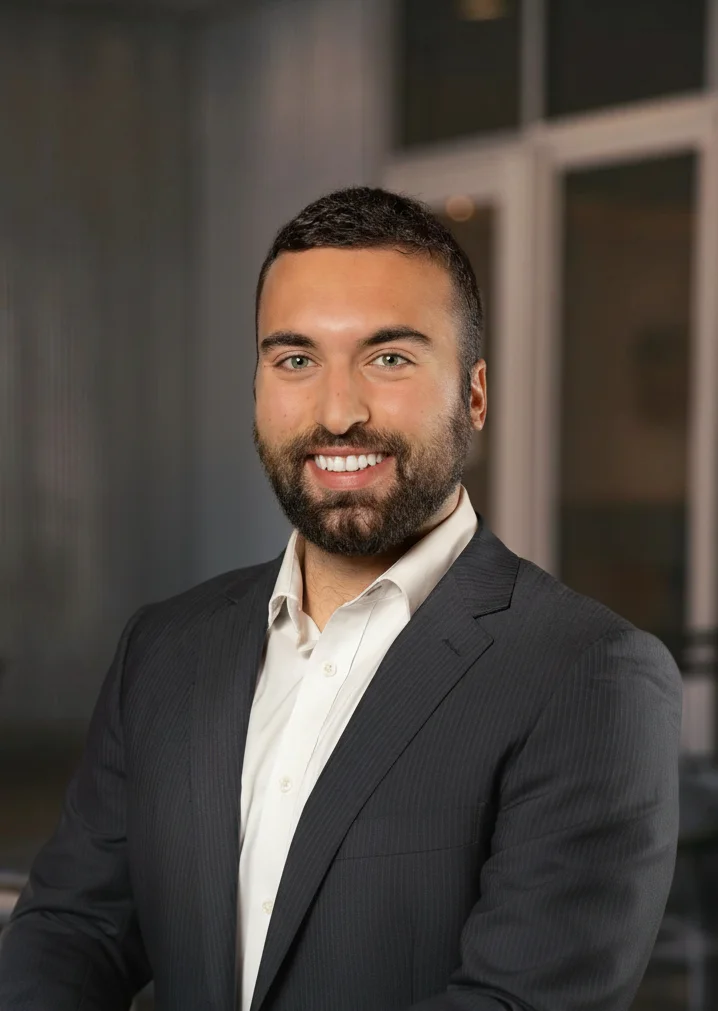
Farid Alsabeh, LLP, is a licensed psychologist with a background in neuroscience and extensive clinical experience in anxiety disorders and life adjustment challenges. The pro-bono vision loss program reflects a personal commitment to ensuring that the psychological dimension of vision loss receives the same quality of care as its medical dimension.
Sessions follow the same structured, evidence-based approach Farid applies to all clinical work — Cognitive Behavioral Therapy, Metacognitive Therapy, and Detached Mindfulness — adapted for the specific psychological challenges of vision loss and adjustment.
Are you an ophthalmologist, optometrist, low vision specialist, or disability services coordinator? We welcome professional referrals to the pro-bono program.
Contact: psyfar97@gmail.comUse the consultation form to share your information. In the notes field, mention that you are inquiring about the pro-bono vision loss program. Farid will be in touch within 48 hours — at no cost to you.
Request a Free Consultation →Virtual sessions • Michigan residents • No cost • No referral required